
The Grand Egyptian Museum: A Sustainable Gateway to Ancient Heritage
10/31/20258 min read
Introduction to the Grand Egyptian Museum
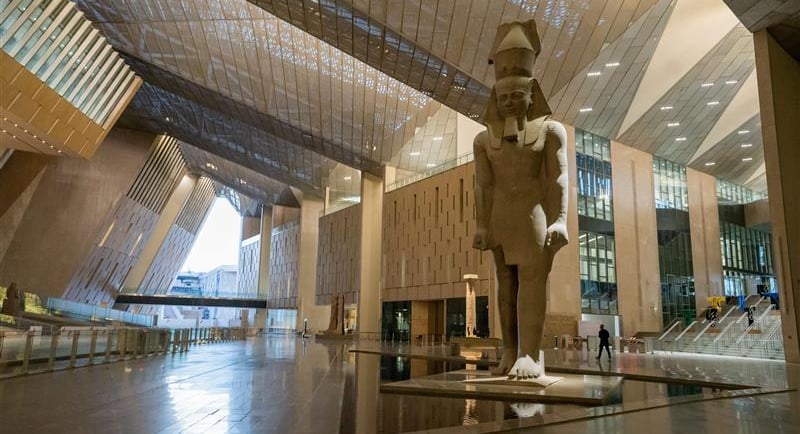
The Grand Egyptian Museum (GEM) stands as a monumental achievement in the realm of cultural heritage, poised to become one of the largest archaeological museums worldwide. Situated near the iconic Giza Pyramids, GEM is more than just a repository of artifacts; it is a vibrant symbol of Egypt's rich historical narrative. The museum's design and architecture reflect the grandeur of ancient Egyptian civilization, aiming to engage visitors from around the globe in a profound exploration of the past. By showcasing an extensive collection of over 100,000 artifacts, the museum will serve as a significant educational resource, granting insights into the intricate tapestry of Egypt's ancient heritage.
The significance of the Grand Egyptian Museum is underscored by its mission to safeguard and promote Egypt's archaeological treasures. Following years of meticulous planning and construction, the GEM is set to open its doors, allowing the public to experience the splendor of ancient Egypt in a modern and sustainable environment. As a sustainable gateway, the museum has been strategically designed to minimize its ecological impact while maximizing visitor experience. Its state-of-the-art facilities will ensure that the preservation of artifacts occurs under optimal conditions, effectively protecting these invaluable items for future generations.
Moreover, the museum's location adjacent to one of the world’s most renowned historical sites—the Giza Pyramids—establishes a direct connection between the old and new. This proximity not only enhances the visitor experience but also positions GEM as a central hub for archaeological research and cultural exchange. As it prepares for its grand opening, the Grand Egyptian Museum encapsulates the commitment to conserving and celebrating the legacy of ancient Egypt, standing ready to inspire all who walk through its doors.
Opening of the Grand Egyptian Museum
The Grand Egyptian Museum (GEM) is poised to redefine the landscape of heritage tourism in Egypt with its anticipated full public opening scheduled for 2025. Established near the pyramids of Giza, the museum will serve as a monumental repository for Egypt's rich and diverse ancient heritage, housing an extensive collection of artifacts, including the iconic treasures of Tutankhamun. This opening not only marks a significant milestone in the preservation and presentation of Egyptian antiquities but also highlights Egypt’s commitment to sustainable tourism and cultural heritage management.
In the lead-up to the grand opening, a series of meticulous preparations have been undertaken. These encompass the conservation of thousands of artifacts, the establishment of advanced display techniques, and the development of comprehensive educational programs tailored to enhance visitor engagement. Furthermore, special attention is being paid to ensuring that the museum operates as a sustainable facility, incorporating green technologies and practices that align with contemporary conservation standards. This effort showcases the country's dedication to balancing heritage preservation with modern environmental considerations.
The GEM is expected to significantly bolster heritage tourism in Egypt, drawing both national and international visitors eager to explore a treasure trove of artifacts housed in a state-of-the-art facility. With the anticipated influx of tourists, the museum is expected to enhance the overall tourism economy, providing local communities with new opportunities for employment and engagement in cultural activities. As 2025 approaches, excitement continues to build around the Grand Egyptian Museum, which promises to be a beacon of ancient heritage, education, and sustainability.
The Vision Behind GEM: Sustainable Heritage Preservation
The Grand Egyptian Museum (GEM) embodies a profound commitment to preserving Egypt's rich cultural heritage, aiming to safeguard it for both present and future generations. This ambitious undertaking reflects not only a desire to showcase the country's vast historical treasures but also to promote sustainable practices that align with contemporary global standards in heritage conservation. The vision behind GEM transcends traditional museum functions by embracing innovative methods to ensure the longevity of Egypt's ancient artifacts.
At the core of GEM’s philosophy is the integration of sustainability into all aspects of its operation, from construction to exhibition practices. The museum's design incorporates environmentally friendly technologies and materials, underscoring its commitment to minimizing ecological impact. This approach not only helps preserve the natural environment but also highlights the relationship between sustainable practices and cultural preservation. By employing energy-efficient systems and waste-reduction initiatives, GEM sets a precedent for future museums worldwide.
Moreover, the museum’s educational initiatives serve to strengthen the link between sustainability and cultural heritage. By offering workshops and programs designed to raise awareness about the importance of preserving both tangible and intangible heritage, GEM fosters a deeper understanding of Egypt's historical legacy. Engaging the public in discussions about sustainable practices reinforces the notion that the preservation of artifacts and monuments is inherently tied to the sustainable stewardship of the environment.
In essence, the Grand Egyptian Museum stands as a testament to the belief that sustainable heritage preservation is not merely an obligation but a collaborative effort. It invites local communities, scholars, and visitors to participate actively in preserving the rich tapestry of Egyptian culture, ensuring that cherished artifacts remain protected for the enjoyment and education of future generations.
Sustainability Features of the Museum
The Grand Egyptian Museum has been meticulously designed with sustainability at its core, aiming to showcase Egypt's rich cultural heritage while minimizing environmental impact. One of the most striking features is the museum's extensive use of natural lighting. The architects have strategically incorporated large windows and skylights that allow sunlight to illuminate the exhibition spaces. This not only reduces the reliance on artificial lighting but also creates a more immersive experience for visitors, as they can appreciate the artifacts in a light that mimics their original contexts.
Additionally, the incorporation of solar panels into the museum's infrastructure enhances its sustainability. These solar panels harness renewable energy, generating a significant portion of the electricity required for the museum's operations. By utilizing this clean energy source, the museum not only decreases its carbon footprint but also serves as a model for environmental responsibility in large-scale constructions. This innovative approach aligns with global sustainability goals and showcases how cultural institutions can lead by example.
The building is also equipped with energy-efficient systems that regulate temperature and humidity levels crucial for the preservation of artifacts. Advanced HVAC systems and smart climate control technologies ensure that energy consumption remains low while maintaining optimal conditions for the displayed treasures. Furthermore, the use of sustainable materials in construction has been prioritized, with a focus on local sourcing to reduce transportation emissions and support the local economy.
These sustainability features illustrate the Grand Egyptian Museum's commitment to environmental stewardship. The integration of natural lighting, renewable energy solutions, and energy-efficient systems collectively contribute to a reduced environmental impact, setting a benchmark for future cultural institutions worldwide. This approach not only preserves Egypt's ancient heritage but also ensures that the museum remains a sustainable beacon for generations to come.
Innovative Landscaping: A Sustainable Approach
The Grand Egyptian Museum exemplifies a pioneering approach to sustainable landscaping, focusing on the integration of native desert flora that thrives in the arid conditions characteristic of the region. This strategic selection not only conserves water resources but also enhances the museum's commitment to environmental sustainability. By utilizing plants that are naturally adapted to the local climate, the landscaping minimizes the need for artificial irrigation, significantly reducing water waste and promoting biodiversity.
Among the various indigenous species employed in the museum's landscaping are drought-resistant plants such as acacia and desert wildflowers. These plants require minimal maintenance and are well-suited to withstand the extreme temperatures and limited rainfall typical of Egypt's desert environment. By fostering the growth of these native species, the Grand Egyptian Museum demonstrates a responsible stewardship of its natural resources, promoting ecological balance and resilience against climate change.
The design of the museum's landscape reflects a deep understanding of the environment, showcasing not only the aesthetic qualities of native plants but also their ecological functions. For instance, the strategic placement of these plants offers natural shade and aids in temperature regulation, creating a more comfortable outdoor experience for visitors. Additionally, the landscaping incorporates organic ground cover, which helps prevent soil erosion and supports healthy soil ecosystems.
Moreover, the museum's landscaping project is a testament to the idea that architecture and environment can coexist harmoniously. This landscape design serves as an educational tool, raising awareness among the public about the importance of conservation and the potential of sustainable practices in architectural projects. The commitment to enhancing green spaces within urban settings fosters a greater appreciation for nature, aligning the Grand Egyptian Museum with global sustainability efforts while celebrating Egypt's rich heritage.
Impact on Local Communities
The Grand Egyptian Museum (GEM) is envisioned not just as a repository of Egypt's illustrious past but also as a catalyst for community development. Its sustainable practices create significant socioeconomic benefits for local communities surrounding the museum. One of the primary impacts has been in job creation, both during the construction phase and in ongoing operations. GEM has generated thousands of jobs, providing opportunities in various sectors such as hospitality, security, management, and tourism. This influx of employment has not only reduced local unemployment rates but also stimulated the economy by increasing disposable income among residents.
Moreover, the museum places a strong emphasis on education and cultural exchange. GEM has launched several educational initiatives designed to involve local schools and communities in learning about Egypt’s history and heritage. Workshops, lectures, and cultural events are organized to engage students and residents alike, ensuring that they have access to valuable knowledge about their nation's rich past. These educational campaigns help inspire pride in local heritage, while also informing communities about the importance of preserving and protecting their historical sites.
Environmental awareness is another key aspect of GEM's outreach. The museum is committed to promoting sustainability not only within its walls but also in the wider community. Programs have been developed to educate the public about environmental conservation and sustainable practices, offering training and resources that empower residents. This includes initiatives focusing on waste management, water conservation, and energy efficiency, fostering a mindset of sustainability that resonates throughout the communities surrounding the museum.
Overall, the Grand Egyptian Museum serves as a sustainable gateway to ancient heritage, positively impacting local communities through job creation, educational initiatives, and environmental awareness efforts.
Conclusion: A Model for Future Museums
The Grand Egyptian Museum (GEM) stands as a beacon of what modern museums can achieve through sustainable practices and a commitment to environmental stewardship. As one of the largest and most technologically advanced museums in the world, the GEM not only showcases Egypt's rich cultural heritage but also sets a precedent for the integration of sustainability in future museum designs. By adopting renewable energy sources, efficient water management systems, and green building materials, GEM demonstrates how cultural institutions can minimize their ecological footprint while enhancing the visitor experience.
This model of sustainability is essential for museums worldwide as they face the dual challenge of preserving their collections and adapting to the effects of climate change. Beyond merely serving as a physical space for exhibitions, museums must evolve into centers of education and conservation, inspiring visitors to engage actively with heritage while being mindful of environmental impacts. The Grand Egyptian Museum exemplifies how the integration of interactive displays, educational programs, and public engagement initiatives can deepen visitors’ appreciation for ancient civilizations, fostering a sense of stewardship over these irreplaceable treasures.
The influence of GEM can reach far beyond Egypt's borders. As other museums draw inspiration from its design and operational principles, a ripple effect could be established, leading to a global reimagining of how cultural institutions function. By investing in sustainable practices and innovative technologies, museums can not only preserve their artifacts for future generations but also contribute to a broader movement towards ecological sustainability. Ultimately, the Grand Egyptian Museum serves as a transformative template for future museums, encouraging them to align cultural preservation with environmental responsibility, thereby creating a more sustainable and conscientious world of heritage appreciation.
TOTZ For Environmental Services (LLC)
Together, optimizing a thriving zone for sustainable future.
📍 Building 4 – El Obour Buildings Salah Salem Street, Heliopolis, Cairo – Egypt
contact@totz-eco.com
+201070218504
© 2026. All rights reserved to TOTZ For Environmental Services (LLC)