
Transforming Trash into Treasure: The World of Plastic Art and Creative Reuse in Egypt
10/17/20255 min read
The Rise of Plastic Art in Egypt
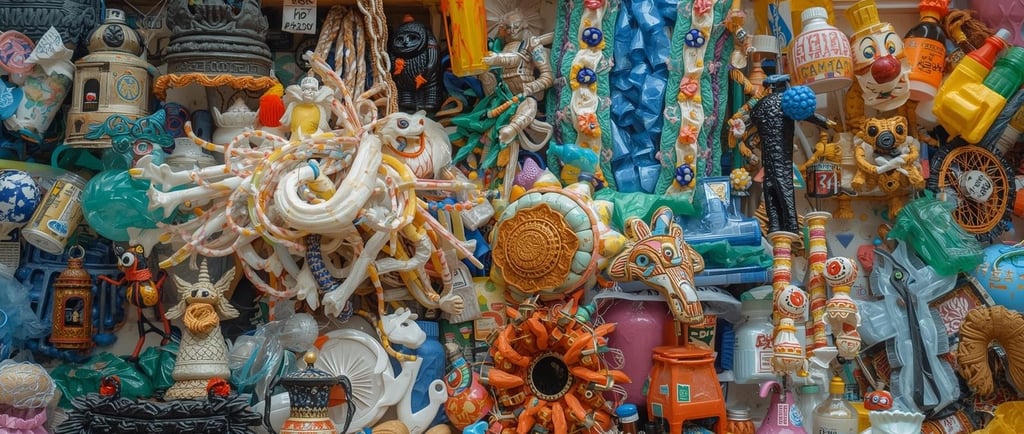
The emergence of plastic art in Egypt reflects a significant evolution within the broader art landscape, driven by both cultural transformation and environmental necessity. This artistic movement, which embraces the use of recycled plastic materials, has gained momentum as artists seek innovative means to express their creativity while addressing pressing environmental issues. The growing concern over plastic waste and pollution in Egypt has catalyzed the integration of discarded materials into creative works, fostering a unique connection between art and sustainability.
Local artists, inspired by the challenges posed by waste management, have been at the forefront of this dynamic movement. Using discarded plastics, they construct a diverse array of sculptures, installations, and mixed-media pieces, showcasing the potential of what is often deemed 'trash.' By reimagining these materials, they challenge audiences to reconsider their perceptions of waste and its role within society. This creative reuse not only generates visually striking works but also serves as a powerful commentary on consumer culture and the environmental crisis.
The cultural context surrounding plastic art in Egypt is also rooted in a growing awareness of environmental issues, particularly among younger generations. Education and activism have increasingly intertwined, with artists taking initiative to promote sustainability through their work. Art exhibitions, workshops, and community projects focused on plastic reuse encourage public engagement, inviting the community to re-evaluate their relationship with waste. This collective effort enhances awareness about pollution while also fostering a sense of responsibility toward the environment.
In conclusion, the rise of plastic art in Egypt signifies a noteworthy intersection of artistry and ecological consciousness. As artists continue to explore the possibilities inherent in plastic materials, they contribute not only to the vibrancy of the local art scene but also to a broader dialogue on sustainability and environmental stewardship.
Innovative Upcycled Art Projects
In recent years, Egypt has witnessed a remarkable surge in innovative upcycled art projects that creatively repurpose plastic waste, transforming it into captivating artwork. Artists and organizations across the country are leveraging plastic refuse not only to make stunning sculptures and installations but also to address pressing environmental issues and foster community engagement. The term 'upcycled art Egypt' has become synonymous with these dynamic initiatives, which showcase the profound potential of reusing materials that would otherwise contribute to pollution.
One notable project involves local artists transforming discarded plastic bottles into intricate installations. These vibrant works often reflect the cultural heritage of Egypt, embodying traditional motifs and aesthetics while featuring modern techniques. For instance, the "Plastic Oasis" installation in Cairo creatively utilizes thousands of plastic bottles arranged to mimic lush landscapes—this not only highlights the beauty of nature but also raises awareness about pollution and sustainable practices.
Moreover, various organizations have emerged to promote upcycled art as a tool for social change. Workshops and community programs focus on educating children and adults alike about the importance of recycling and environmental stewardship. Participants engage in hands-on projects that teach them how to create functional art pieces, including furniture made from plastic waste. These initiatives not only empower individuals with new skills but also emphasize the significance of creative reuse in combating environmental degradation.
What sets these projects apart is their ability to foster a sense of community while addressing challenging ecological issues. By encouraging individuals to see value in what is typically considered trash, these upcycled art initiatives are driving positive change in Egypt. Artists and organizations are championing the message that waste can indeed be transformed into treasure, inspiring others to think critically about consumption and disposal.
Community Engagement and Reuse Plastic Projects
Community involvement plays a pivotal role in the creative reuse movement, particularly in Egypt, where local artists and residents collaborate to convert discarded plastic into works of art. This engagement fosters a sense of collective responsibility towards environmental sustainability while also nurturing artistic expression. Numerous workshops held in neighborhoods facilitate hands-on experiences, allowing participants to transform waste into unique artworks. These gatherings serve not only as platforms for skill development but also as spaces for dialogue, where community members exchange ideas on sustainability and creativity.
One noteworthy example of community engagement comes from a workshop in Cairo, where local artists guided children in creating sculptures from plastic bottles. Through this initiative, participants learned about the impact of plastic waste on the environment while developing their artistic skills. Testimonials from attendees emphasize how these experiences inspired them to view waste differently—not merely as trash, but as a potential resource for creativity. Participants expressed how the workshops instilled a sense of pride in their ability to contribute positively to their environment through art.
Exhibitions showcasing these artistic endeavors further enhance community awareness about plastic reuse. Local galleries feature pieces created from recycled plastics, drawing attention both to the artworks and the underlying message of conservation. Such exhibitions stimulate discussions among attendees regarding the importance of sustainability and responsible consumption practices, reinforcing the connection between art and environmental stewardship.
Educational programs targeting schools also play a significant role in fostering creativity through recycling. By introducing young minds to the principles of reusing materials, these programs are effectively planting the seeds for future generations to prioritize sustainability in their artistic endeavors. Overall, community engagement in plastic art projects not only amplifies artistic creativity but also catalyzes social change, empowering citizens to embrace sustainability actively.
The Future of Plastic Art: Opportunities and Challenges
The future of plastic art in Egypt presents a unique intersection of opportunities and challenges, particularly given the country's rich cultural heritage and burgeoning artistic community. As the global conversation around sustainability intensifies, the potential for plastic art as a significant form of creative expression becomes ever more relevant. Artists in Egypt are harnessing discarded materials, transforming them into innovative masterpieces. This movement is not only a testament to creativity but also offers an avenue for promoting environmental awareness.
Support from non-governmental organizations (NGOs) plays a pivotal role in the growth of plastic art. Organizations focused on environmental sustainability and cultural preservation can provide vital resources, expertise, and exposure for artists. Government initiatives aimed at bolstering the creative economy could also foster growth in this artistic realm. Such collaborations can lead to workshops, exhibitions, and educational programs that raise awareness and appreciation of plastic art.
However, several barriers inhibit the progress of plastic art in Egypt. Funding remains a significant challenge as many artists struggle to secure the necessary financial backing for their projects. Additionally, public awareness of plastic art and its significance is still limited, which can hinder wider acceptance and appreciation. Accessibility to materials is another concern, as the sourcing of quality waste plastics for artistic purposes can be inconsistent.
Overcoming these obstacles necessitates a concerted effort from various stakeholders. Creating platforms for local artists to showcase their work, organizing community-based projects, and increasing educational outreach can enhance awareness and support for plastic art. By engaging with these initiatives, readers can contribute to a vibrant artistic landscape in Egypt. Through collaboration, education, and advocacy, the future of plastic art can be secured, leading to a more sustainable and imaginative expression of creativity.
TOTZ For Environmental Services (LLC)
Together, optimizing a thriving zone for sustainable future.
📍 Building 4 – El Obour Buildings Salah Salem Street, Heliopolis, Cairo – Egypt
contact@totz-eco.com
+201070218504
© 2026. All rights reserved to TOTZ For Environmental Services (LLC)